Industrial Refractory Applications for Manufacturing, Thermal Processing & Specialist Engineering
Ildfaste løsninger til industrier og sektorer
Højtydende termiske materialer til industrielle og specialiserede anvendelser
Vitcas fremstiller et bredt udvalg af ildfaste og varmebestandige materialer, der er udviklet til brug i mange forskellige industrier og specialiserede sektorer. Vores produkter er designet til at opfylde de strenge krav i højtemperaturmiljøer og kombinerer lang holdbarhed, varmeisolering, mekanisk styrke og kemisk resistens.
Uanset om det gælder energieffektivitet, bevaring af historisk materiel, metalforarbejdning eller produktion, leverer Vitcas gennemprøvede løsninger, der er tilpasset de særlige udfordringer ved hver anvendelse.
- Centralvarme - Beskyt varmesystemer med inhibitorer, afkalkningsmidler og støjreducerende midler, der forebygger kalkaflejringer, korrosion og slam i radiatorer og kedler.
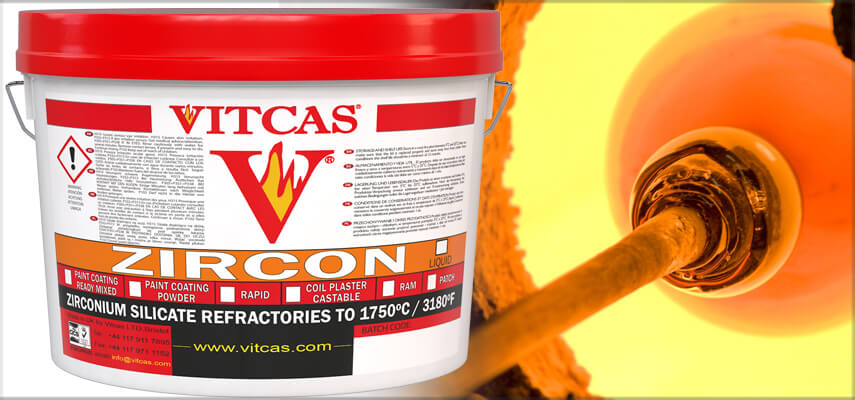
- Hjemmestøberi - Vores støbbare ildfaste masser, keramiske fibermåtter og zirkonbaserede ildfaste belægninger er ideelle til metalstøbning i mindre skala og gør det muligt for hobbybrugere at konstruere og isolere egne smelteovne og digler.
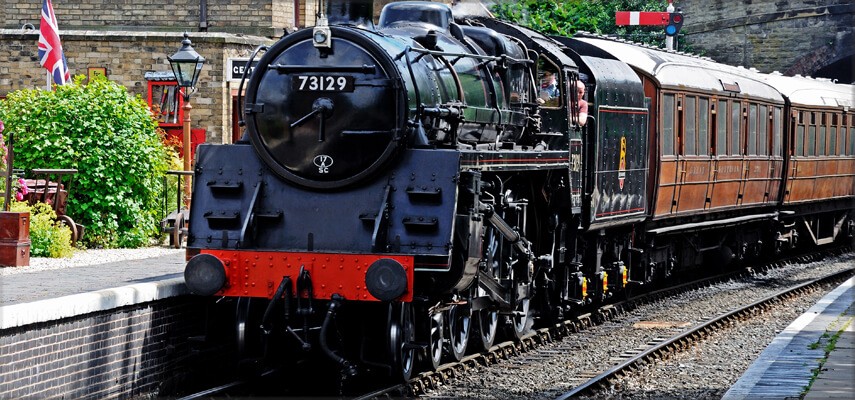
- Veteranjernbaner - Støbbare ildfaste masser, ildfaste sten og isoleringsmåtter til fyrkasser, kedler og røgekassebunde i damplokomotiver sikrer historisk autenticitet og sikker drift.
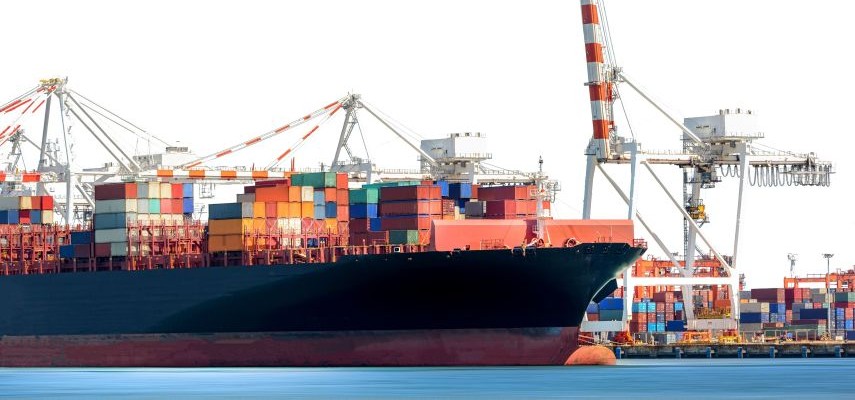
- Både og pramme - Brandsikring til høje temperaturer omkring installationer med varmeovne og dampkedler om bord på kanalbåde, lystbåde og andre fartøjer, herunder ildfaste tætningssnore, klæbemidler og isoleringsduge.
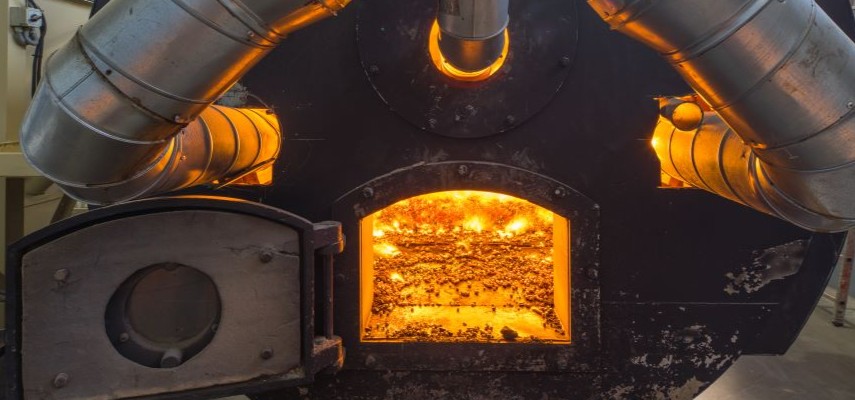
- Kedler - Avancerede ildfaste materialer til beklædning og isolering af industri- og erhvervskedler med modstandsdygtighed over for temperatursvingninger og driftsmæssigt slid.
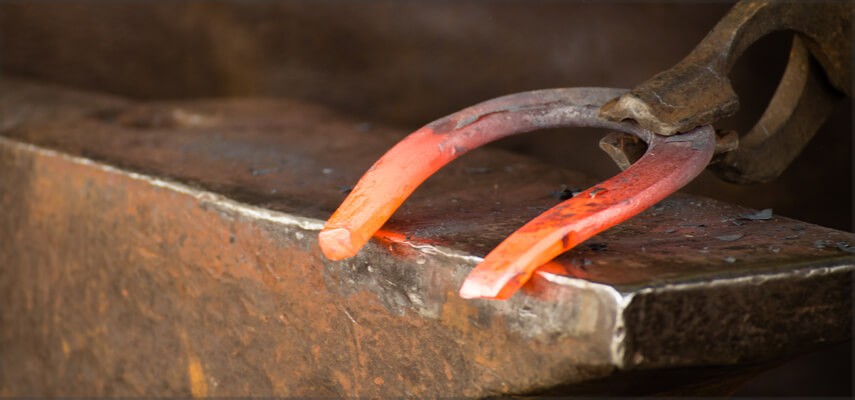
- Smedjeovne - Keramiske fiberprodukter med lav termisk masse samt tætte, slidbestandige materialer til konstruktion og reparation af gas-, koks- og elfyrede smedjeovne.
- Ovnforinger - Løsninger til både periodisk og kontinuerlig ovndrift, herunder isoleringssten, ildfast mørtel og fiberforinger til keramik-, glas- og industriprocesser.
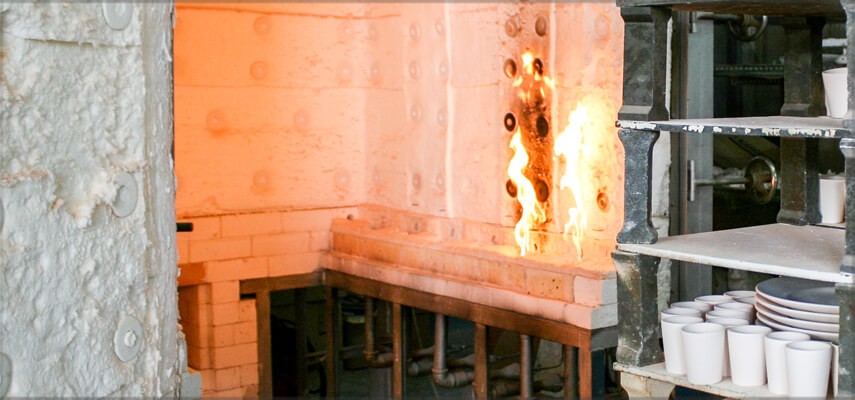
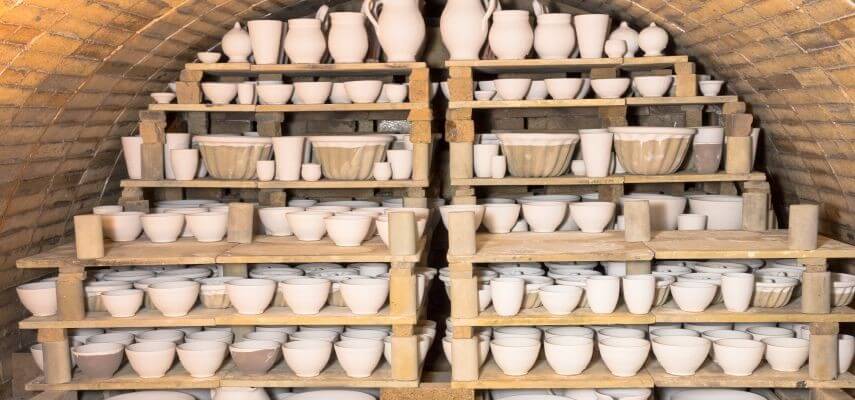
- Keramik og glas - Ildfaste materialer til isolering af keramikovne og genopvarmningsovne til glaspustning, herunder zirkonbaserede ildfaste belægninger, støbbare masser og isoleringsplader.
- Bilindustrien - Højtemperaturbestandige udstødningsbånd, varmebestandige silikoner og malinger til varmeisolering og tætning i køretøjsmotorer og udstødningssystemer.
- Sauna - Ildfaste sten, isolering og ildfast mørtel til saunaovne og varmekamre med høj luftfugtighed, som sikrer holdbarhed og sikkerhed ved høje temperaturer.
Med årtiers brancheerfaring er Vitcas et anerkendt navn inden for højtydende ildfaste materialer til industri, historisk materiel, transport, marine og private anvendelser. Vores produkter er udviklet til at optimere varmelagring, driftssikkerhed og energieffektivitet.
Industrial Refractory Applications by Sector
Industrial refractory systems are used to contain process heat, protect equipment and provide suitable thermal insulation in installations exposed to elevated temperatures and demanding operating conditions.
Refractory requirements vary significantly between industrial sectors. Furnace atmosphere, operating temperature, thermal cycling, abrasion, mechanical loading and chemical exposure can all influence material selection and lining design.
VITCAS provides specialist materials for industrial construction, refractory installation, refurbishment and maintenance. The following application categories cover a broad range of thermal processing equipment and specialist engineering environments.
Furnaces, Kilns and Thermal Processing Equipment
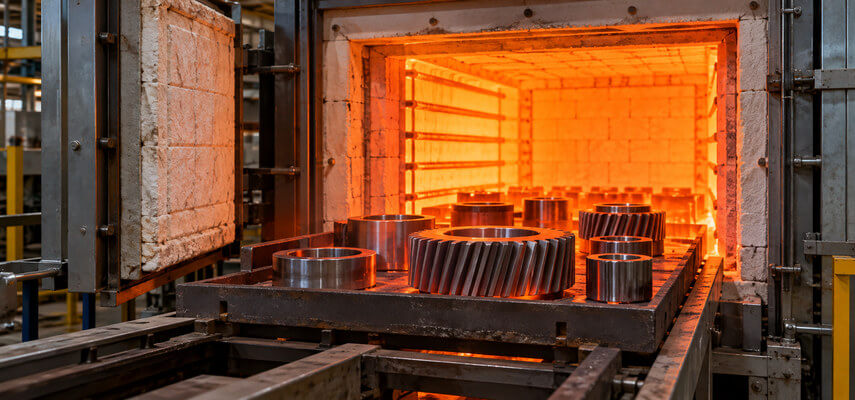
- Furnace Linings & Heat Treatment – Refractory lining and insulation applications for industrial furnaces, heat-treatment equipment and thermal processing installations. Material selection depends on operating temperature, thermal cycling, furnace atmosphere and lining position.
- Kiln Linings – Refractory and thermal insulation solutions for industrial kilns operating under different firing schedules, temperatures and process conditions. Applications include hot-face linings, insulating layers and refractory maintenance.
- Ceramic Kilns & Firing – Specialist refractory materials for ceramic kilns, pottery firing equipment and related high-temperature installations, with requirements influenced by firing temperature, thermal cycles and kiln construction.
- Glass Furnaces & Glassworking – High-temperature refractory and insulation applications associated with glass processing, reheating, forming and specialist glassworking equipment. Materials must be selected according to temperature and relevant process exposure.
- Boiler Refractory & Insulation – Refractory lining, insulation and repair applications for industrial and commercial boiler equipment, including areas exposed to combustion heat, thermal cycling and operational wear.
- Incinerators & Cremators – Refractory applications for combustion equipment exposed to sustained temperatures, repeated heating cycles and potentially abrasive or chemically demanding operating environments.
Metal Processing, Casting and Forge Applications
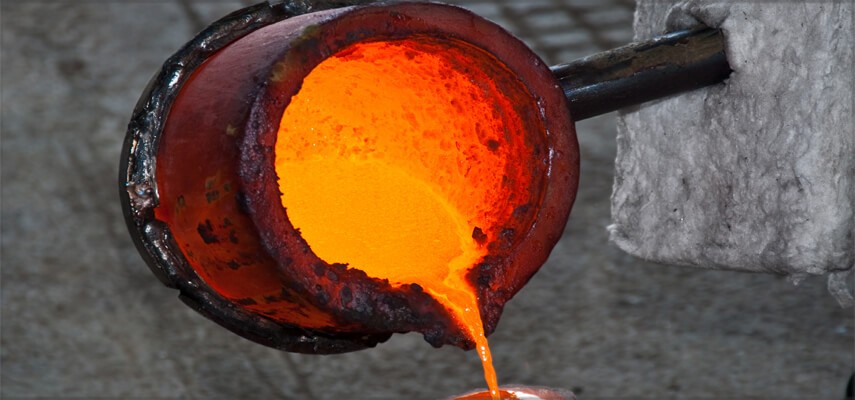
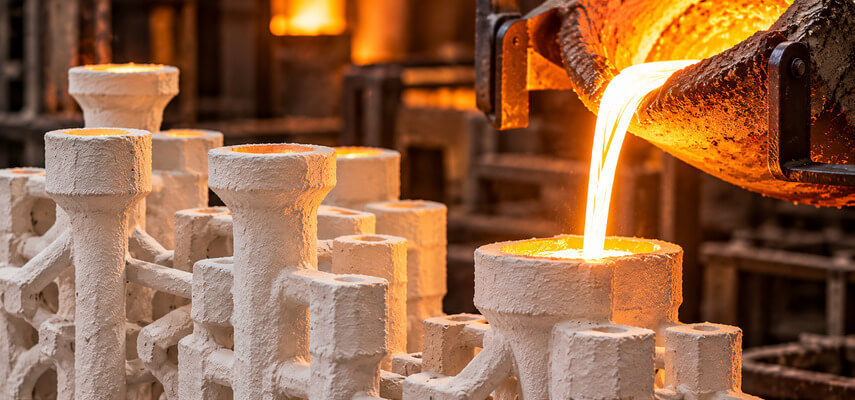
- Foundry & Metal Casting – Refractory lining, insulation and protective material applications for metal melting, handling and casting equipment. Material suitability depends on process temperature, molten-metal exposure, mechanical conditions and operating environment.
- Investment Casting & Shell Repair – Specialist refractory applications associated with investment casting processes, ceramic shell maintenance and compatible repair operations.
- Forge Construction & Repair – Refractory and insulating materials for constructing, lining and maintaining suitable gas, solid-fuel and electric forges, with consideration given to heat containment, lining durability and repeated thermal cycling.
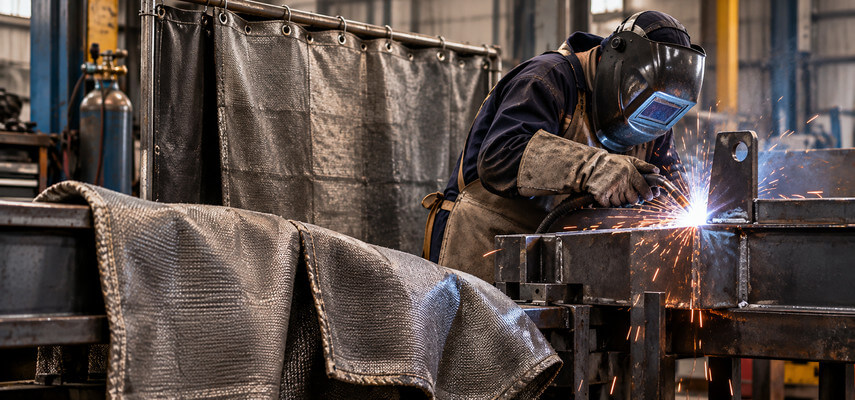
- Welding & Heat Protection – Specialist heat-resistant textiles, insulation and protective materials for suitable welding environments, fabrication activities and equipment exposed to radiant heat or localised thermal hazards.
Transport, Marine and Heritage Engineering
- Heritage Railway & Steam – Refractory lining, sealing and insulation applications associated with steam locomotives, heritage boilers and specialist railway restoration and maintenance.
- Marine Refractory & Insulation – Heat-resistant and insulating material applications for compatible marine heating equipment, boilers, stove installations and specialist thermal systems used aboard vessels.
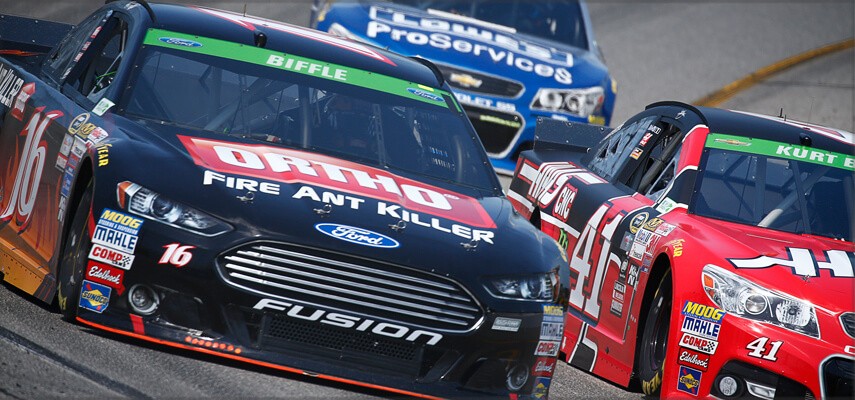
- Automotive & Motorsport – Thermal insulation, high-temperature sealing and heat protection applications for vehicle exhaust systems, engine compartments and suitable automotive and motorsport components.
Chemical Processing and Acid-Resistant Linings
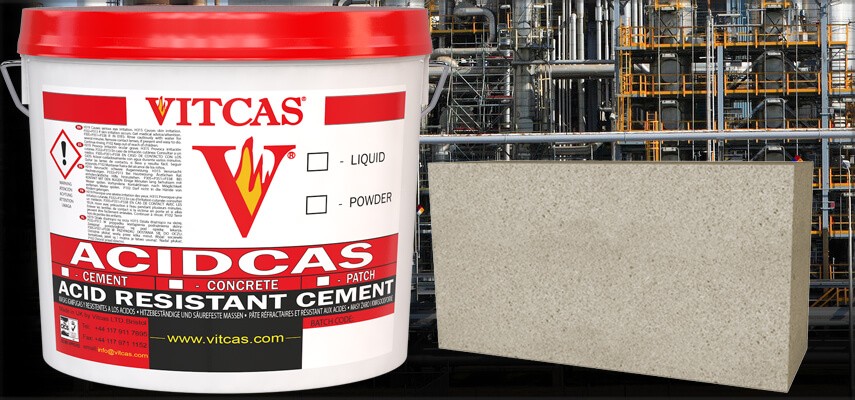
Acid-Resistant Linings & Chemical Processing – Specialist refractory and chemically resistant material applications for compatible industrial processing environments. Material selection must account for the specific chemicals, concentrations, operating temperatures and mechanical conditions involved.
Refractory Materials for Industrial Installation and Maintenance
Industrial installations frequently require several refractory and insulation materials working together as a complete system. The selection of individual components depends on their position within the lining and the conditions experienced during operation.
Typical refractory functions include:
- Hot-face refractory linings: Materials selected for direct exposure to the operating environment, including relevant thermal, mechanical and chemical conditions.
- Back-up thermal insulation: Insulating materials positioned to reduce heat transfer through the lining and support the required thermal design.
- Refractory jointing and installation: Compatible mortars, castables, mouldable materials and other products used in specified refractory construction and repair methods.
- High-temperature sealing: Suitable ropes, tapes, gaskets and sealants used in joints and equipment components requiring particular thermal or mechanical properties.
- Surface protection and repair: Specialist coatings and repair compounds selected for compatible refractory surfaces and operating environments.
These functions are not interchangeable. A material selected for thermal insulation may not provide the mechanical durability required for a working-face lining, while a dense refractory material may not deliver the insulation performance required by the equipment design.
Choosing Refractory Materials for Industrial Service
Industrial refractory selection should consider the complete operating environment rather than relying solely on a published maximum temperature rating.
Important factors include:
- Operating temperature: Continuous service conditions, anticipated temperature variations and thermal cycling.
- Process atmosphere: Combustion gases, oxidising or reducing conditions and other relevant environmental exposure.
- Chemical compatibility: Potential contact with molten metals, slags, acids, alkalis or other process substances.
- Mechanical requirements: Abrasion, impact, vibration, loading and movement within the installation.
- Thermal performance: Required heat containment, heat storage, insulation performance and acceptable heat transfer.
- Installation method: Lining geometry, material thickness, anchoring arrangements, jointing requirements and access for installation or repair.
- Maintenance conditions: Planned shutdowns, repair procedures, thermal cycling and the requirements for drying, curing and initial heating.
A product's stated temperature rating does not, by itself, establish suitability for a particular industrial process or complete refractory lining. Individual product specifications, installation instructions and relevant engineering requirements should be reviewed before use.
Frequently Asked Questions
What are refractory materials used for in industry?
Industrial refractory materials are used in equipment exposed to elevated temperatures and demanding process conditions. Applications include furnaces, kilns, foundries, forges, boilers, incinerators and specialist thermal processing systems. Different materials provide combinations of temperature resistance, mechanical durability, insulation and chemical resistance.
What is the difference between dense refractories and insulating materials?
Dense refractories are generally selected for mechanical durability and suitable resistance to the conditions experienced by a working-face lining. Insulating refractory materials are designed to reduce heat transfer and may have lower density and thermal mass. Industrial systems can incorporate both types, with each material positioned according to its intended function.
Can the same refractory material be used across different industrial sectors?
Some refractory products are suitable for several industrial applications, provided their technical properties match the operating conditions. However, a material used in a furnace lining should not automatically be considered suitable for metal casting, chemical processing or another specialised environment without checking temperature, mechanical and chemical compatibility.
How should refractory materials be selected for industrial equipment?
Material selection should begin with the operating temperature, lining function, process atmosphere and expected mechanical or chemical exposure. Thermal performance, installation method, maintenance requirements and compatibility with the complete refractory system should also be assessed. Relevant technical specifications and engineering requirements should guide the final selection.
Related VITCAS Products
Once the operating conditions and application requirements have been established, suitable materials can be identified from the VITCAS product range, including refractory mortars, castables, fire bricks, high-temperature insulation, specialist coatings, technical textiles and heat-resistant sealing products.